Sailing in Norway - Discover the delights of sailing in Scandinavia!
Boats for rent in: Norway
Norway
Norway offers many scenic spots. In the fjords it is easier to sail than in the archipelago.
- Adequate infrastructure
- Sophisticated navigation
- Low temperatures
- Season: June to August
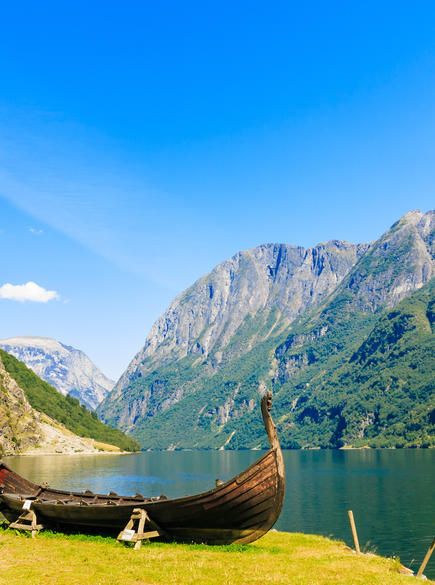
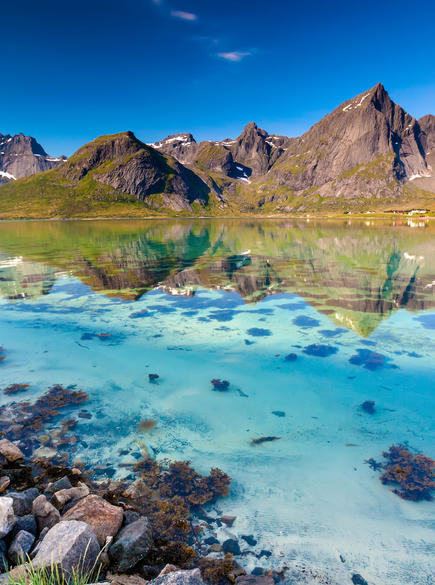
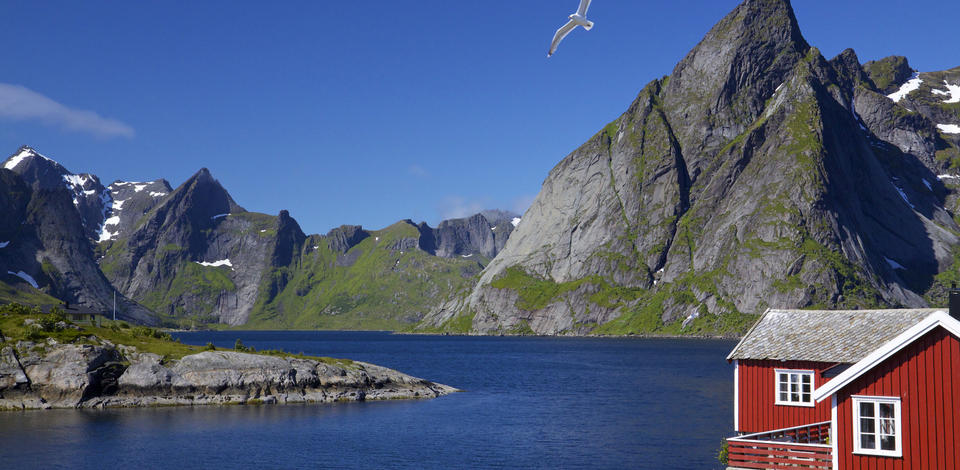
Southern Norway is a very popular sailing area, in particular the Oslo Fjord and the area around Bergen. The landscape in this region is very diverse. Around the Oslo Fjord there are many interesting islands and quiet bays in which to drop anchor. It extends 100 km inland and connects the capital Oslo with Stavanger. The mountainous coast is very rugged, and the high forested mountains, deep fjords and numerous small islands form a terrific sailing landscape. Between the islands there are plenty of anchorages. It is worth a trip to the Hanseatic city of Bergen to visit the picturesque old town by the port. Another beautiful sailing area is Lofoten Islands, an archipelago located north of the Arctic Circle. Sailing between these remote islands is an unforgettable experience. Yacht charter Norway, and enjoy the wild beauty of the northern landscape. Navigationally the area is very demanding and requires good sailing skills. In addition, you cannot expect high-tech marinas. In Lofoten there are only small fishing towns and natural ports to anchor in.
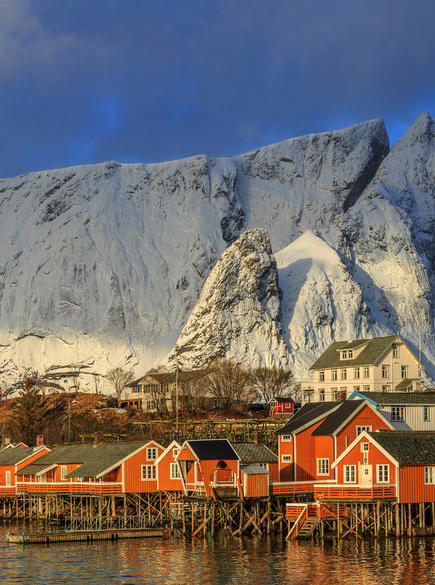
Norway has a long seafaring tradition. The Oslo Fjord is a well-established sailing area and the ports of Asker, Drøbak and Hoarding are convenient. On the north coast there are ports in Bodø and Tromsø. The infrastructure deteriorates considerably in the north, and outside the fjords, suitable harbors can only be found off the islands. Sailing in Norway can be challenging in parts and navigation varies depending on the coastal region. In the archipelago there are numerous rocks above and below the water and the passages are sometimes very close. Navigating here requires an increased level of attention and focus. Night time sailing can be very difficult and is not recommended. Within the fjords, navigation is much easier - shoals are rare and the individual rocks in the fairway are extensively buoyed.
Moorings, Marinas and Harbours in Norway
How to get there - Airports in Norway
- Airport Oslo-Gardermoe to Oslo: 53,6 km, 37 minutes
- Airport Bergen to Bergen: 15,8 km, 21 minutes
- Airport Moss-Rygge to Son: 21,8 km, 22 minutes
Climate & Weather in Norway
In Norway the yacht charter season is very short and limited to the few warmer months of June, July and August. During these months there is plenty of sunshine and the weather is often better than one would expect. The long, narrow coastal strip in the west is separated by mountains from the Scandinavian continental and is influenced by an eastern climate. The North Atlantic Current on the west coast creates a mild, humid climate. From lower latitudes, relatively warm water flows north and the coast is largely free of ice in winter. Nevertheless, temperatures in summer rarely exceed 15 °C. The onshore wind blows at 3-4 Bft from the west. There are shielded areas by mountains, but jets, wind squalls and distractions can occur. It is important to listen to the wind and weather forecasts regularly as strong winds and storms are not uncommon.